Drawing insights from political theory, political economy, the Black radical tradition, and transnational history, my research explores the transnational dynamics, processes, and effects of the entangled histories of racial subordination and the rise and reproduction of capitalism in the Atlantic World. Specifically, I ask three interrelated questions: (1) How have processes of racial ordering and hierarchization and capitalist social relations co-constituted and reinforced each other? (2) What role have force and violence played in the incorporation of racialized groups into capitalist social relations? and (3) How do racialized laborers contest and resist racial subordination and capitalist coercion?
Book Manuscript
Capitalist Abolitionism: Liberal Ideologies of Abolition and Racial Capitalism in Slavery’s Aftermath
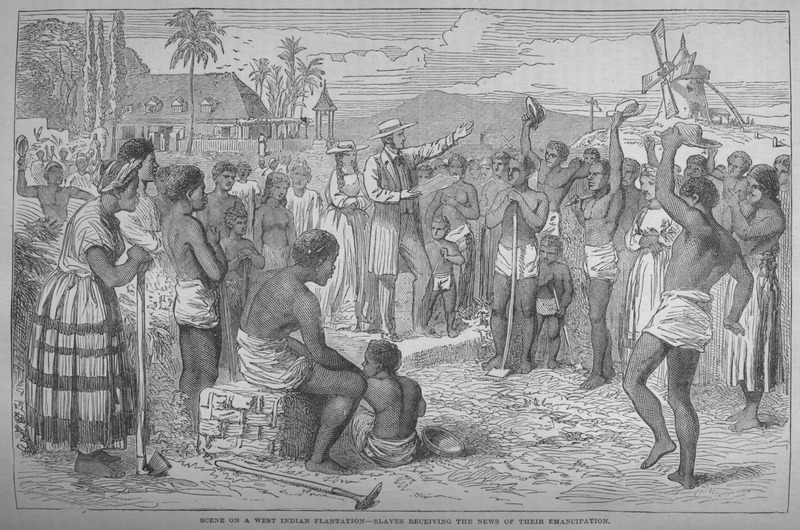
This book project investigates the ideological reproduction of racial capitalism in the British and French Caribbean, Cuba, and the U.S. South after the abolition of slavery. Engaging the anti-slavery writings of J.E. Cairnes, Harriet Martineau, Herman Merivale, José Antonio Saco, Adam Smith, and Alexis de Tocqueville, I develop a conception of capitalist abolitionism to explain how the emancipation projects of liberal political economists reinforced the coercive subjection of former slaves through processes ending their enslavement. Three elements constitute my conception of capitalist abolitionism: (1) a disavowal of the capitalist character of slavery, (2) support for state-led emancipation processes that would prevent slave rebellions from occurring and maintain labor discipline, and (3) reliance on coercive state power to forcibly retain ex-slaves in the plantations, which I analyze by using the concept of primitive accumulation. A study of the projects of liberal political economists to emancipate enslaved laborers expands conceptions of racial capitalism from slavery to anti-slavery thought and politics and traces the transnational connections of liberal ideologies of abolition, empire, and racial capitalism.

